Product photography pricing: what brands actually pay
Most brands I speak to assume AI imagery is simply cheaper. It often is. But the more useful question is where the money goes in a shoot, which of those costs AI removes, and which it quietly moves somewhere else. Here is the honest version.
Product photography rates: what a traditional beauty shoot costs
A single-day beauty or fragrance shoot in the UK rarely comes in under a few thousand pounds once everything is counted. A typical day-rate stack looks roughly like this:
- Photographer · £1,200–£3,500 a day
- Studio hire · £400–£900 a day
- Model and casting · £500–£2,000
- Hair, make-up and styling · £600–£1,500
- Set, props and retouching · £500–£2,000 and up
Add pre-production, travel and usage licensing, and a modest campaign lands somewhere between £5,000 and £15,000 for a handful of final images. The cost scales with ambition: more looks, more locations, more talent, more money.
Where AI changes the maths
Art-directed AI imagery removes most of that day-rate stack. There is no studio to hire, no crew to feed, no lost day to weather. The cost moves from logistics to direction: the time spent building the brand's visual world, refining prompts, curating from hundreds of frames, and finishing each image by hand.
For a comparable set of images, that usually lands well below a traditional shoot. But "well below" is not "free", and the gap narrows the moment you need something AI still struggles with.
What you are actually paying for
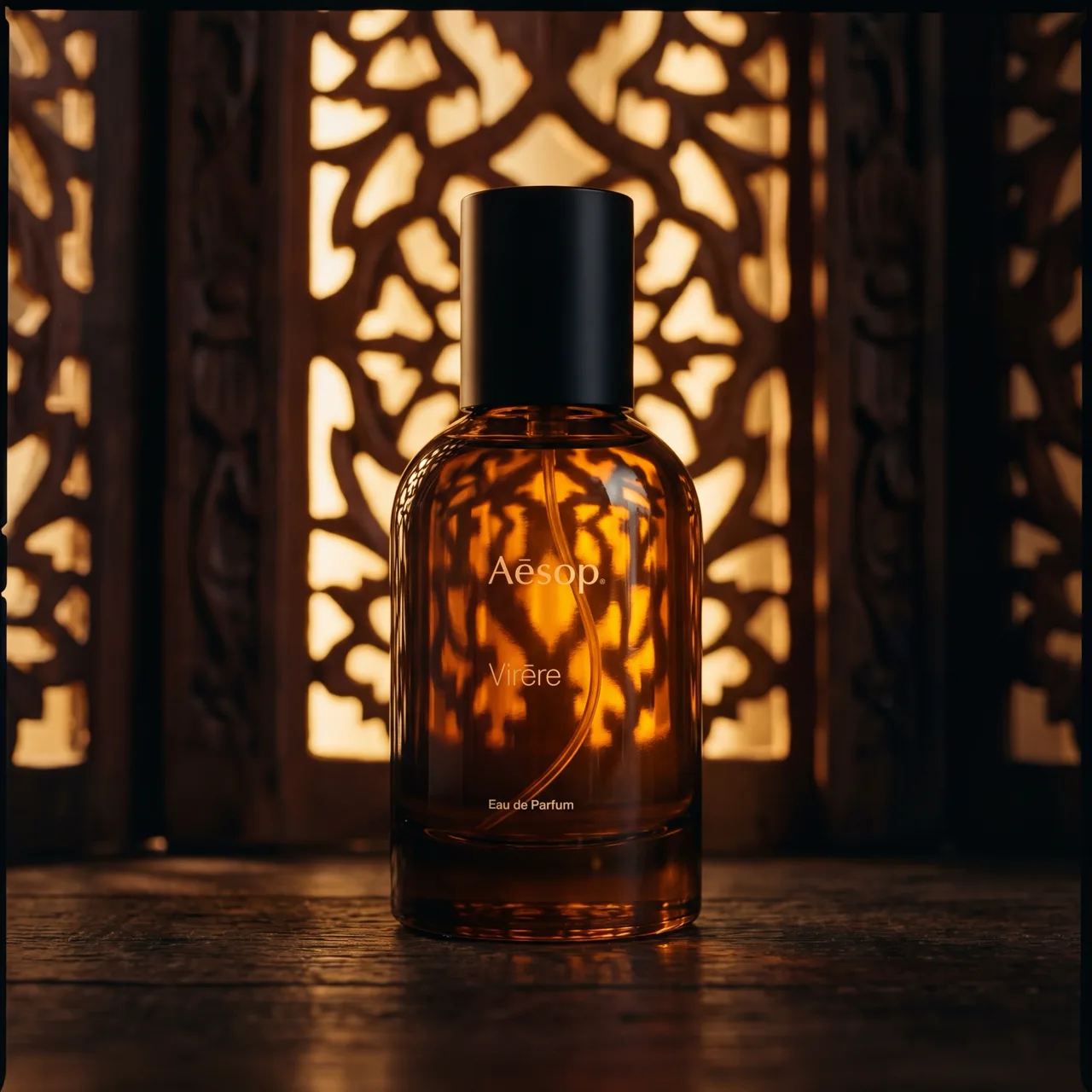
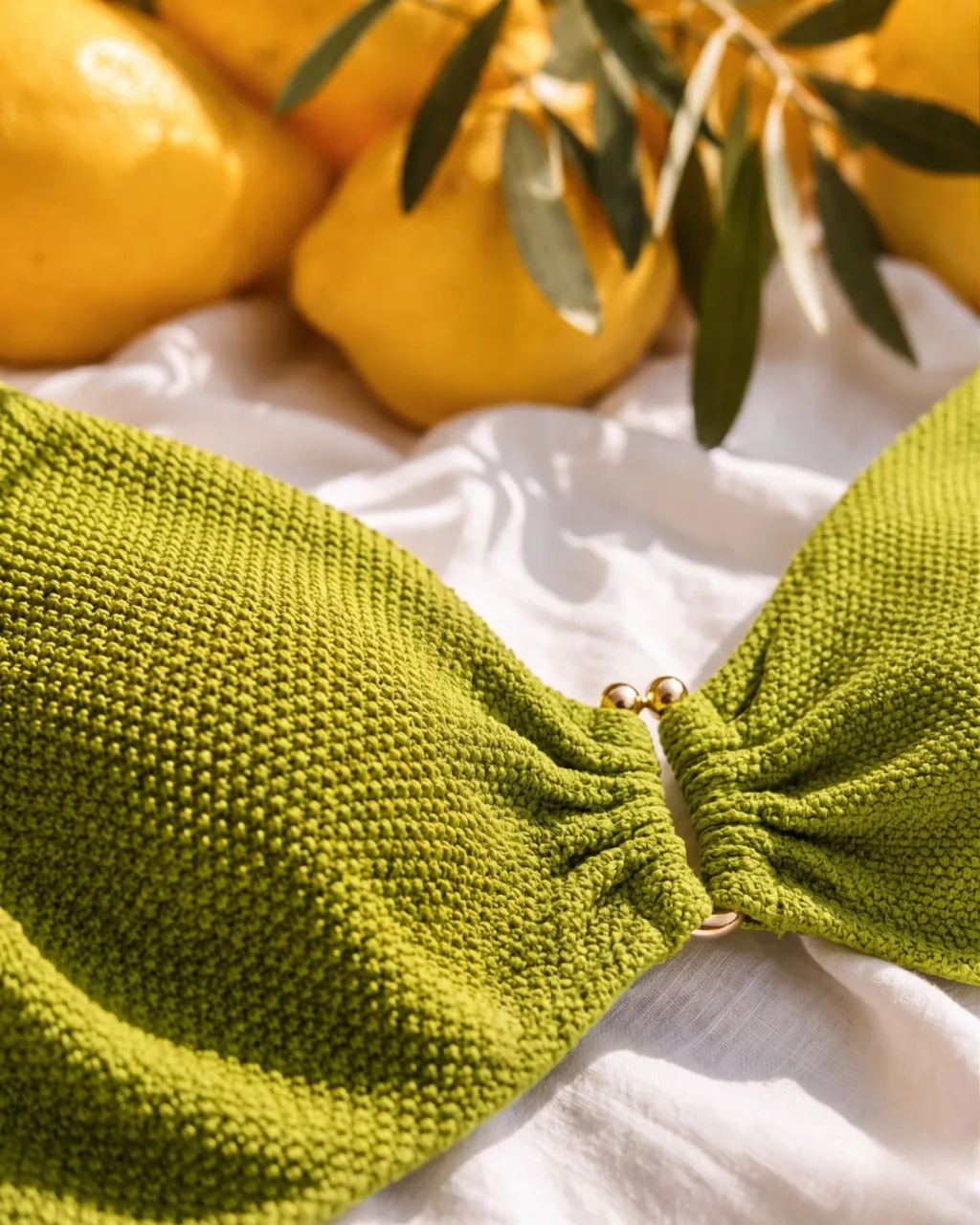
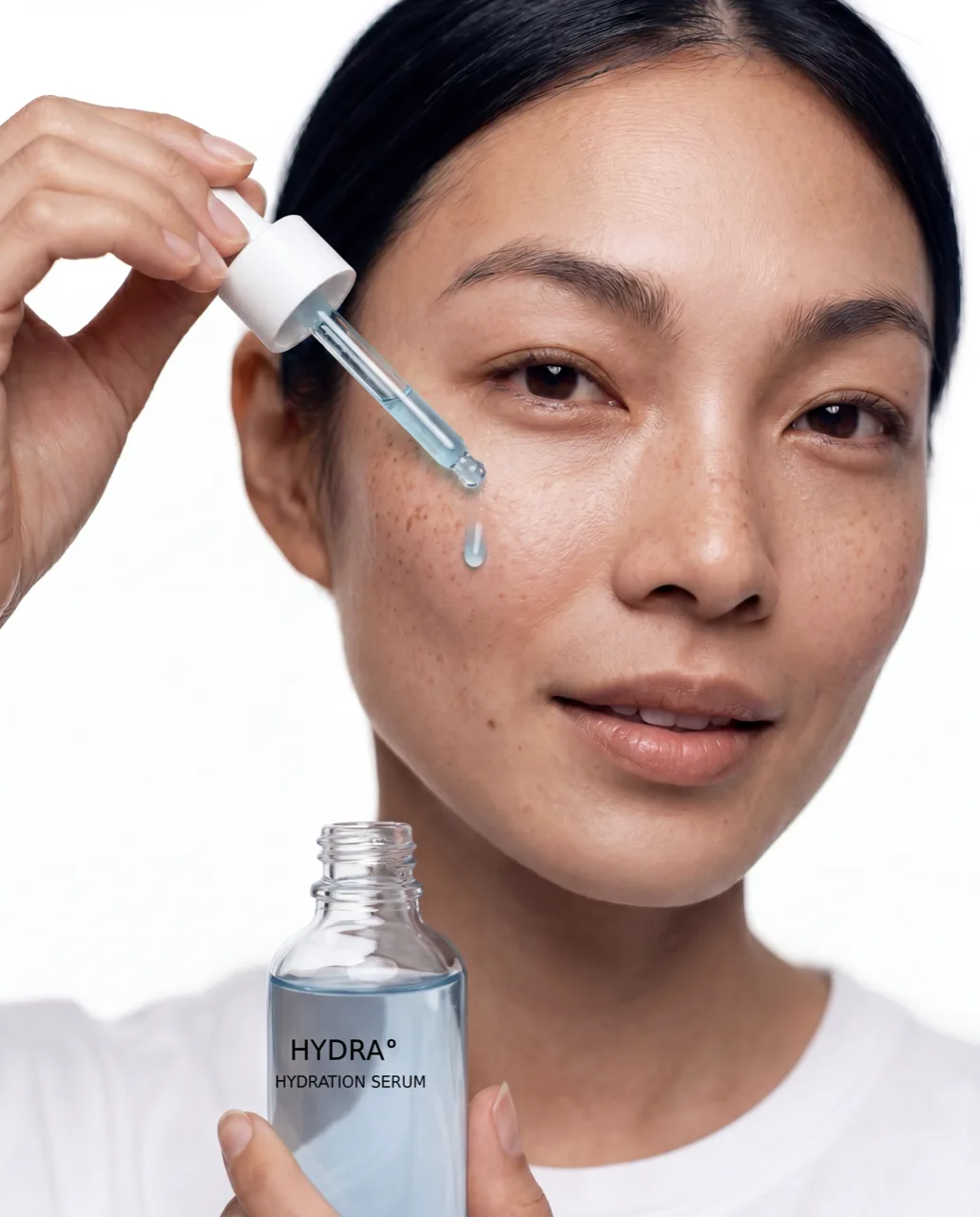
This is the part worth being honest about. With AI, the cost is judgement: the eye that picks the frame, the restraint to keep a brand consistent across a campaign, and the finishing that stops an image looking generated. A throwaway render and a considered one can come from the same tool. The difference is the direction, and direction is the cost that does not disappear. The HYDRA serum set shows what that buys: five launch stills and a macro set, with no studio day behind any of them.
A rough comparison of fees
For a six-image product campaign:
- Traditional shoot · £5,000–£12,000 · four to eight weeks · one shoot day plus pre- and post-production
- Art-directed AI · no day rates, no studio, no casting · usually days rather than weeks · revisions that do not require re-booking anyone
Those are ranges, not quotes. Every brief is different, which is exactly why the first conversation matters.
What changes the price
I have not put a number on my own side of that comparison, because two briefs that look identical on paper can differ by a factor of three. What moves it:
- How many products, not how many images
- What the product is made of · glass, liquid and metallic finishes take longest
- Whether there is skin in frame
- How defined your brand world already is
- How many channels the work has to cover
- How fast you need it
Both entry points are priced on the services page. For anything beyond them, a discovery call is the quickest way to get a number for your actual brief.
How to think about it
Start from the outcome, not the tool. Decide what the images need to do, where they will live, and how consistent they have to be. The budget question tends to answer itself once that is clear. If it helps, that is what a discovery call is for: twenty minutes to work out whether AI fits what you are making, with no obligation either way.
Common questions about pricing
How much does product photography cost in the UK?
A single-day traditional shoot rarely comes in under a few thousand pounds once the studio, crew, styling and usage licensing are counted, and a modest campaign usually lands between £5,000 and £15,000 for a handful of finished images. Built rather than shot, a campaign starts at £750, because there is no day rate to pay for.
Do you charge per image or per project?
Per project. A campaign is priced as one piece of work with an agreed set of finished images, because the cost sits in deciding the direction rather than in producing the twentieth crop. If you only want to test the direction first, a single art-directed frame is £150 to £250.
What is the cheapest way to find out whether this suits my brand?
One frame of your own product, art-directed properly, for £150 to £250. It is credited toward the campaign if you go ahead, so the only thing you risk is the price of one image.
What makes one project cost more than another?
The number of finished images, how many separate worlds they have to live in, and whether people appear in frame. A single still life in one setting is the simplest thing I make. A launch that needs a recognisable cast across several settings is the most involved.